Breaking rock when reaction forces are limited
Mining and drilling away from Earth pose a mechanical problem: in low gravity, a machine has less weight available to react the forces required to cut or crush rock. Microwave-assisted breakage investigates whether energy delivered into the rock can reduce the mechanical effort needed afterward.
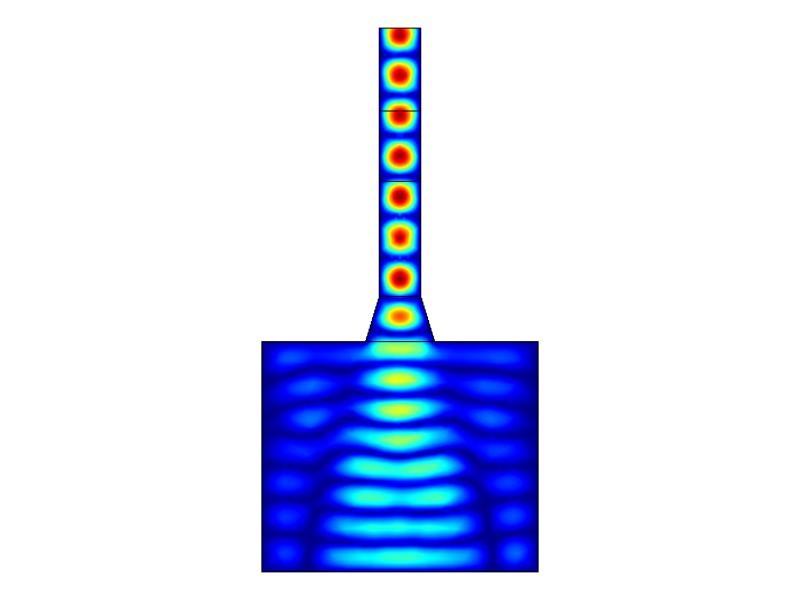
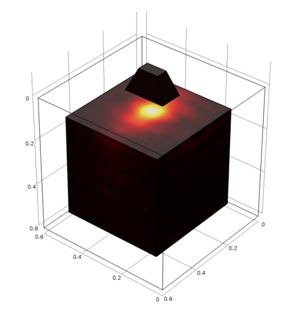
My space-mining research examined microwave–rock interactions using multiphysics simulation and experimental investigation, connecting electromagnetic energy deposition with heating and damage.
From electromagnetic fields to rock damage
A microwave field does not heat a heterogeneous rock uniformly. Differences in material response can produce temperature gradients and differential expansion. The resulting stresses provide a route toward microcrack formation and subsequent breakage.
- Resolve the field. Model the cavity, source, and rock geometry using COMSOL’s radio-frequency tools.
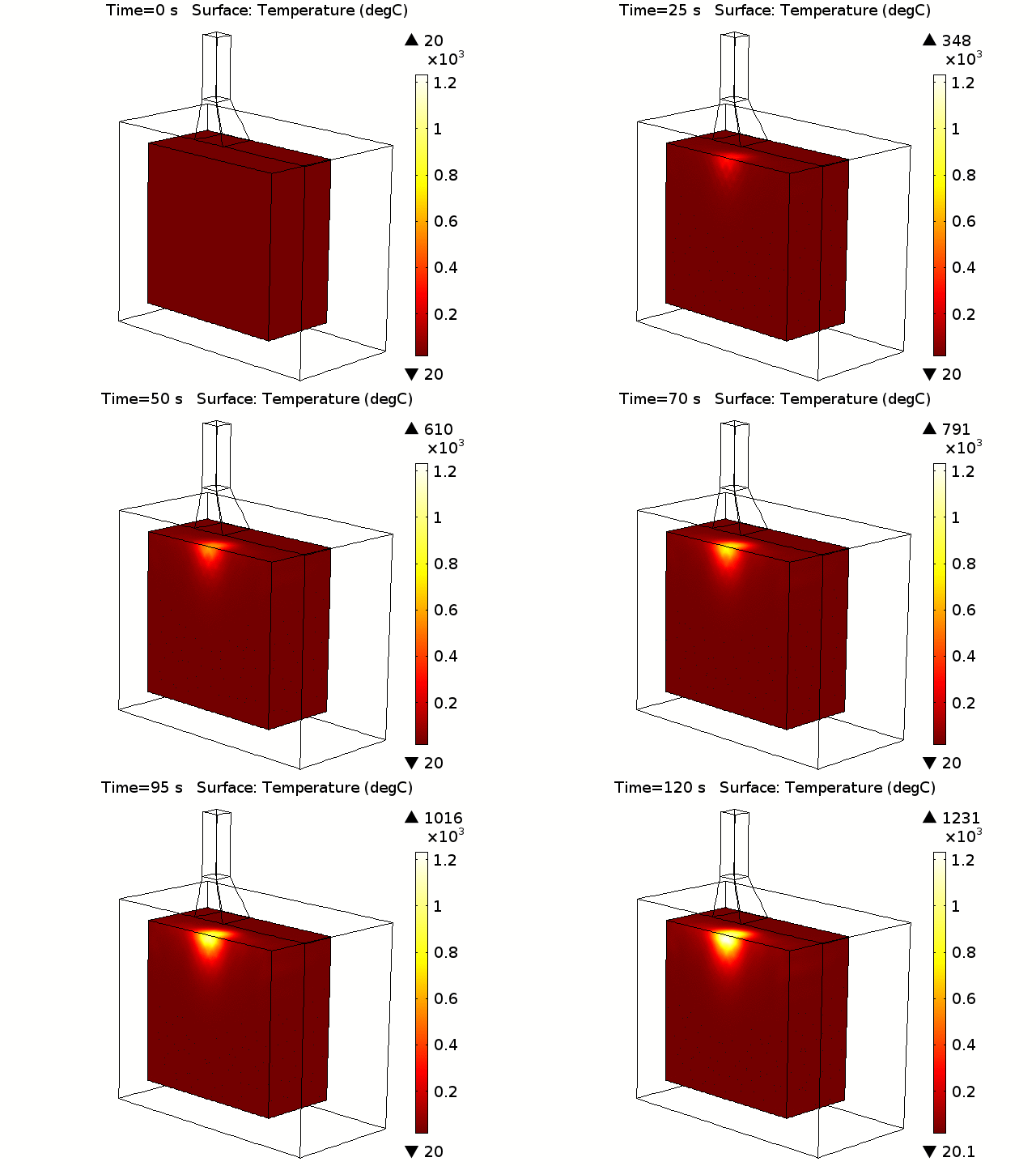
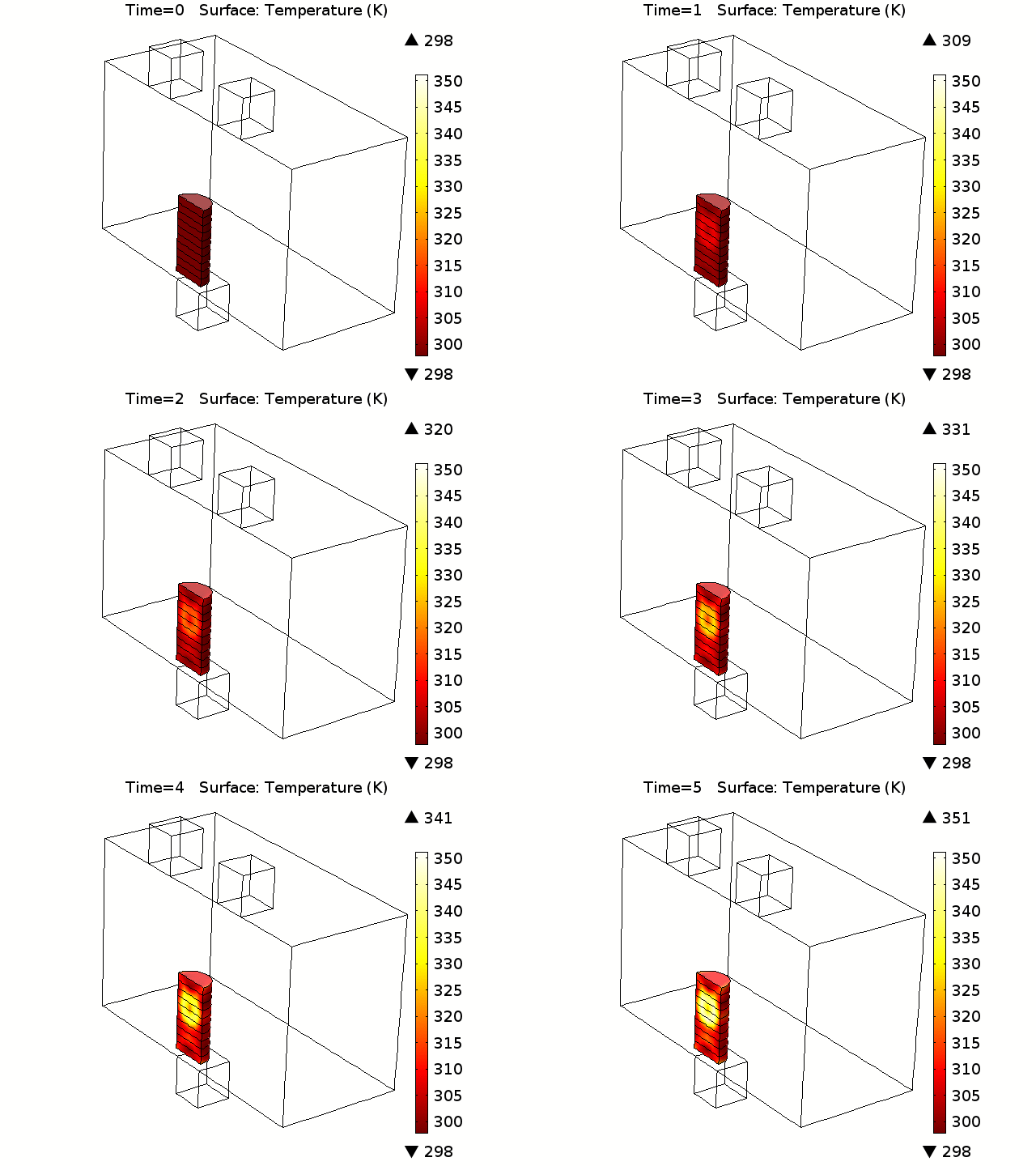
- Track heating. Examine how the electromagnetic solution translates into temperature within the sample.
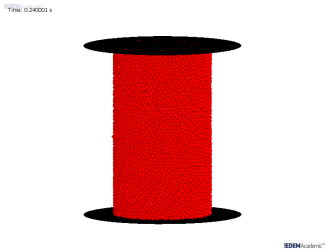
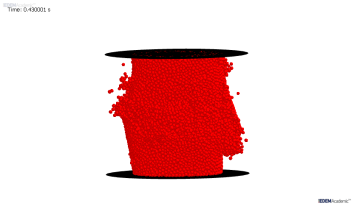
- Investigate damage. Use thermal and particle-based modelling to study the response of the rock and the development of cracks.
- Compare with experiments. Relate the model to measured heating and changes in mechanical behaviour.
Single-mode and multimode studies
These original animated simulation figures show two microwave-cavity configurations.
Experimental evidence and published work
The 2016 study by Hassani, Nekoovaght, and Gharib examined norite, granite, and basalt under microwave irradiation. It investigated how exposure conditions affected heating and rock strength, and compared numerical temperature predictions with experimental results.
Beyond space mining
The same research questions also matter in terrestrial excavation, drilling, and tunnelling: where should energy be delivered, how much weakening results, and how can the process be integrated with mechanical tools? The answer depends on the rock and treatment conditions; microwave exposure is not a universal substitute for cutting or crushing.
Figures and research media from the original research archive (opens in a new tab). Research affiliations and project descriptions refer to the periods in which the work was undertaken.