The smallest particles can become a major engineering problem.
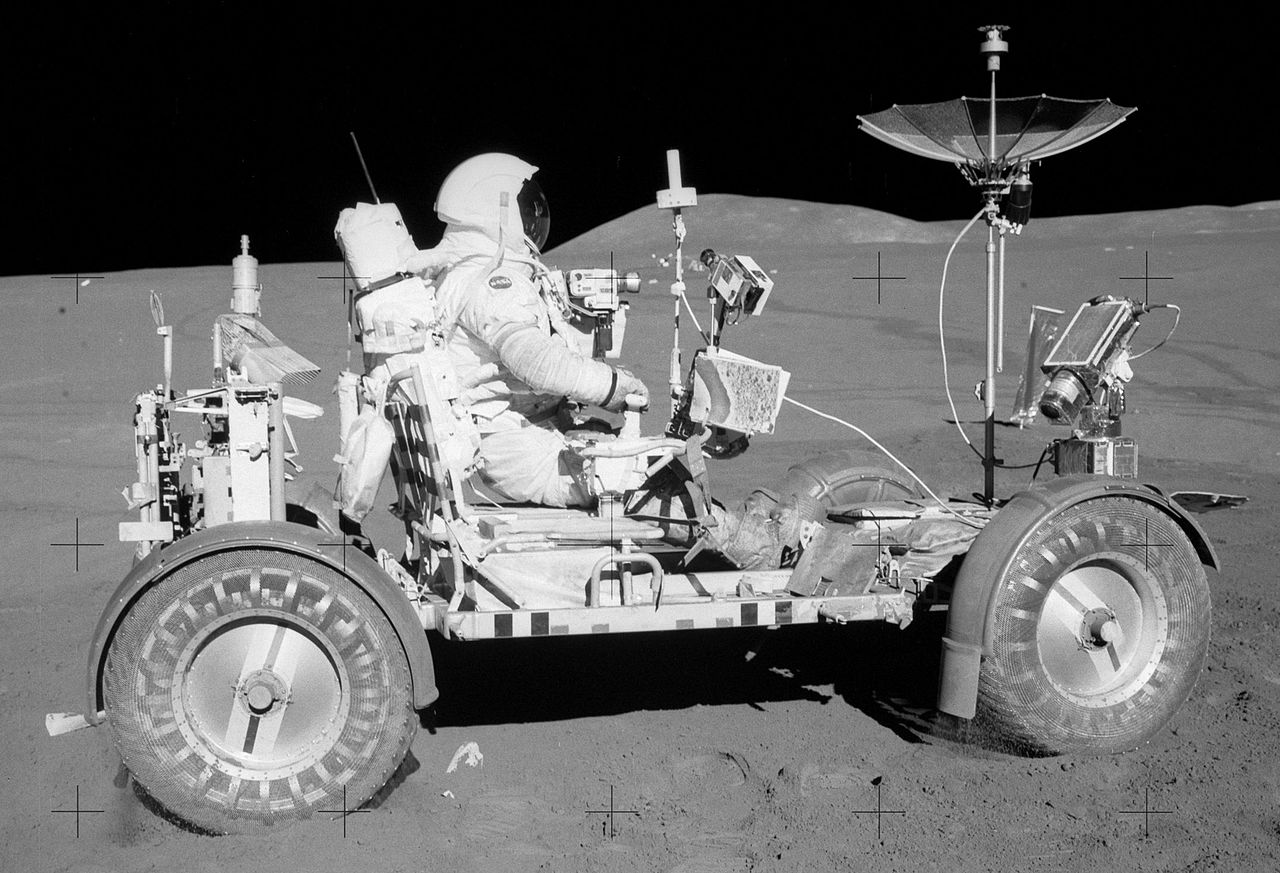
Lunar regolith is more than a layer of loose soil. Fine, abrasive particles can adhere to equipment, enter moving interfaces, and compromise the function of exposed mechanisms. Electrostatic charging adds another challenge to mechanical dust protection.
My doctoral research at McGill University investigated two connected questions: how regolith produces wear, and how electric fields can move dust away from vulnerable surfaces. The work combined purpose-built experiments with particle-based numerical modelling.
Moving dust with electric curtains
Sequentially energised electrodes create travelling electric fields that transport particles. This approach offers a way to clear a surface without brushes or other contacting mechanisms. The research examined electrostatic and dielectrophoretic effects in planar and cylindrical configurations.
Experiments establish whether particles move as intended; calibrated discrete element models help investigate the forces and trajectories behind that motion.
Before and after activation
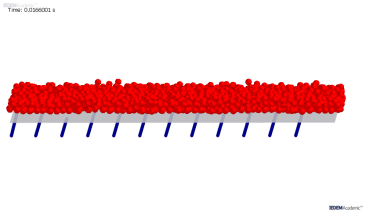
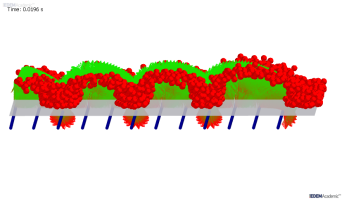
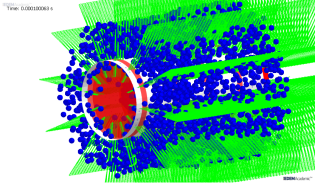
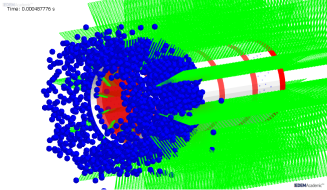
Experimental demonstrations
Measuring regolith-induced wear
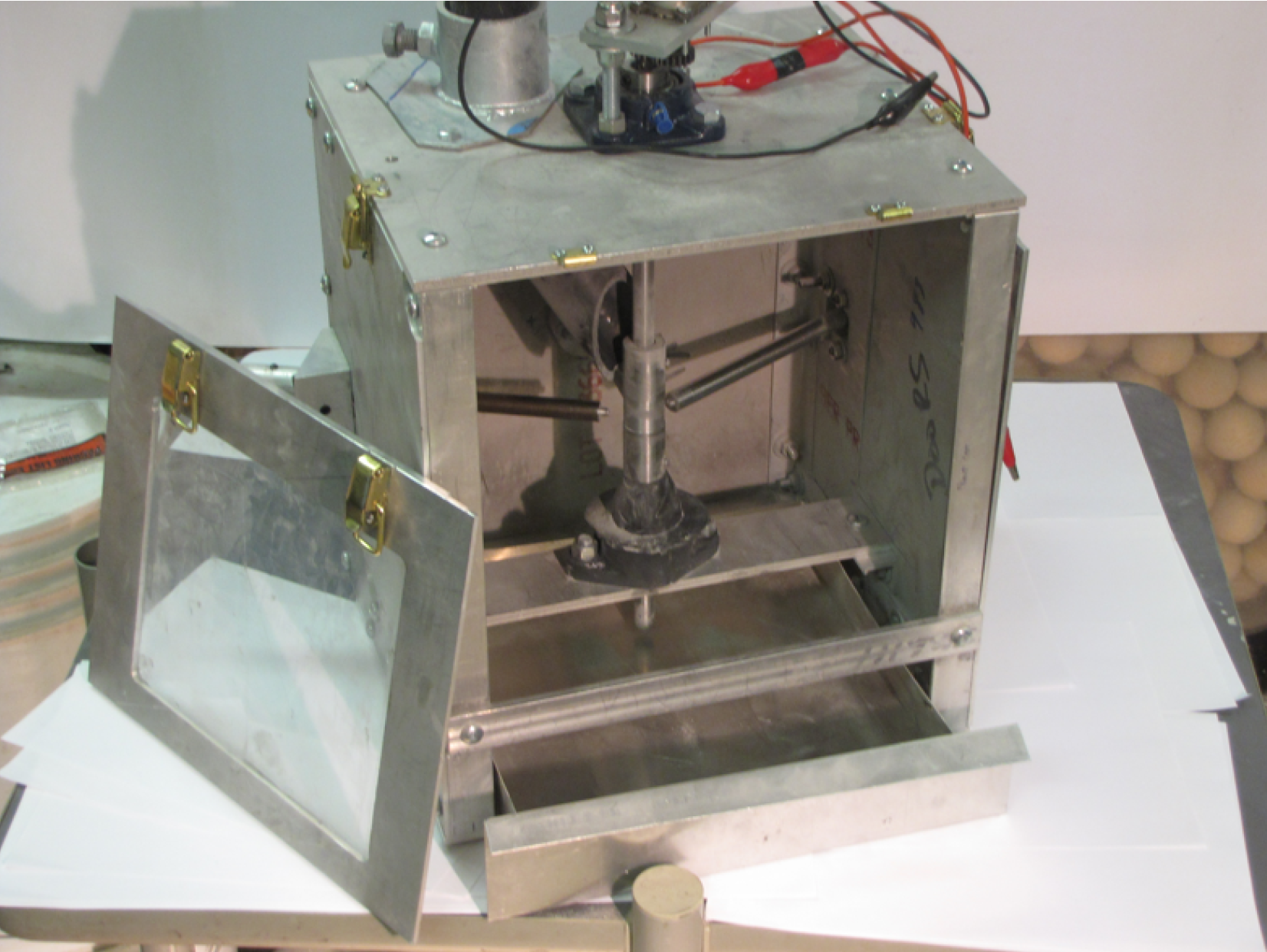
Dust mitigation and wear resistance need to be evaluated together. The doctoral work developed abrasion-testing devices to examine how material selection and particle size affect wear in regolith-exposed contacts.
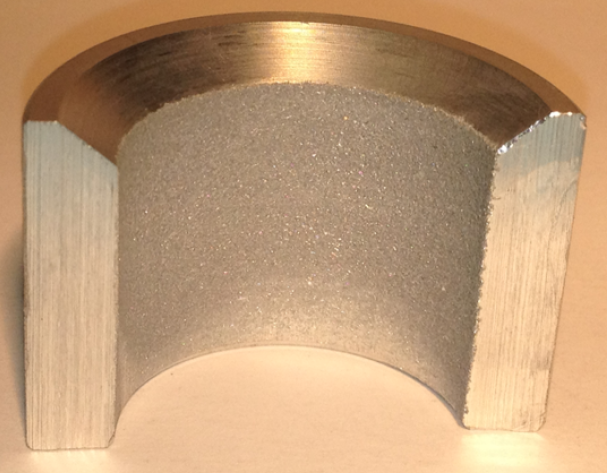
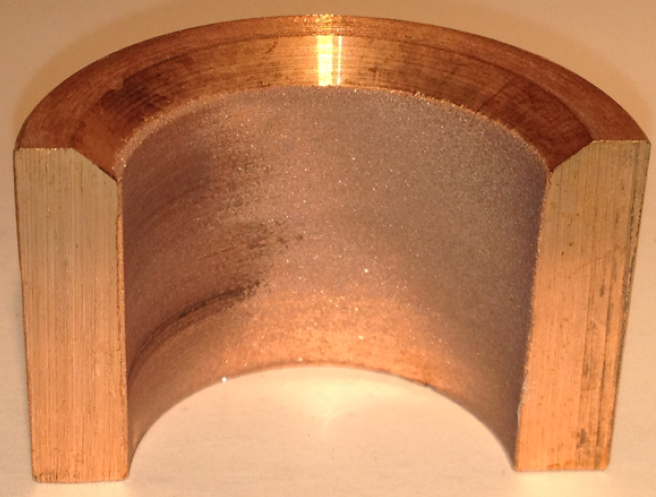
The figures below document the test apparatus and examples of aluminium and copper half-bearing surfaces. These studies connect contact-scale damage to a practical design question: which sliding interfaces can remain functional in abrasive environments?
Why the problem remains relevant
Longer-duration surface operations make contamination control a continuing research priority. A useful distinction is between demonstrating particle removal in a controlled test and maintaining protection across realistic dust, charging, temperature, and wear conditions.
Figures and research media from the original research archive (opens in a new tab). Research affiliations and project descriptions refer to the periods in which the work was undertaken.